Entryways work harder than they look. They handle shoes, keys, packages, arrivals, exits, and all the visual noise that comes with real life. When the area is designed well, it creates calm immediately. When it is not, the house can feel messy before you even reach the living room.
These products from The Refined Home collection match this topic directly. If you buy through these links, we may earn a commission at no extra cost to you.

Yale Assure Lock 2 with Wi-Fi
It is one of the cleaner-looking smart lock options, and that matters when it lives on your front door every day.
Shop on Amazon
Umbra Hub Round Wall Mirror
It is restrained enough to work almost anywhere, which makes it one of the easier decor recommendations to trust.
Shop on Amazon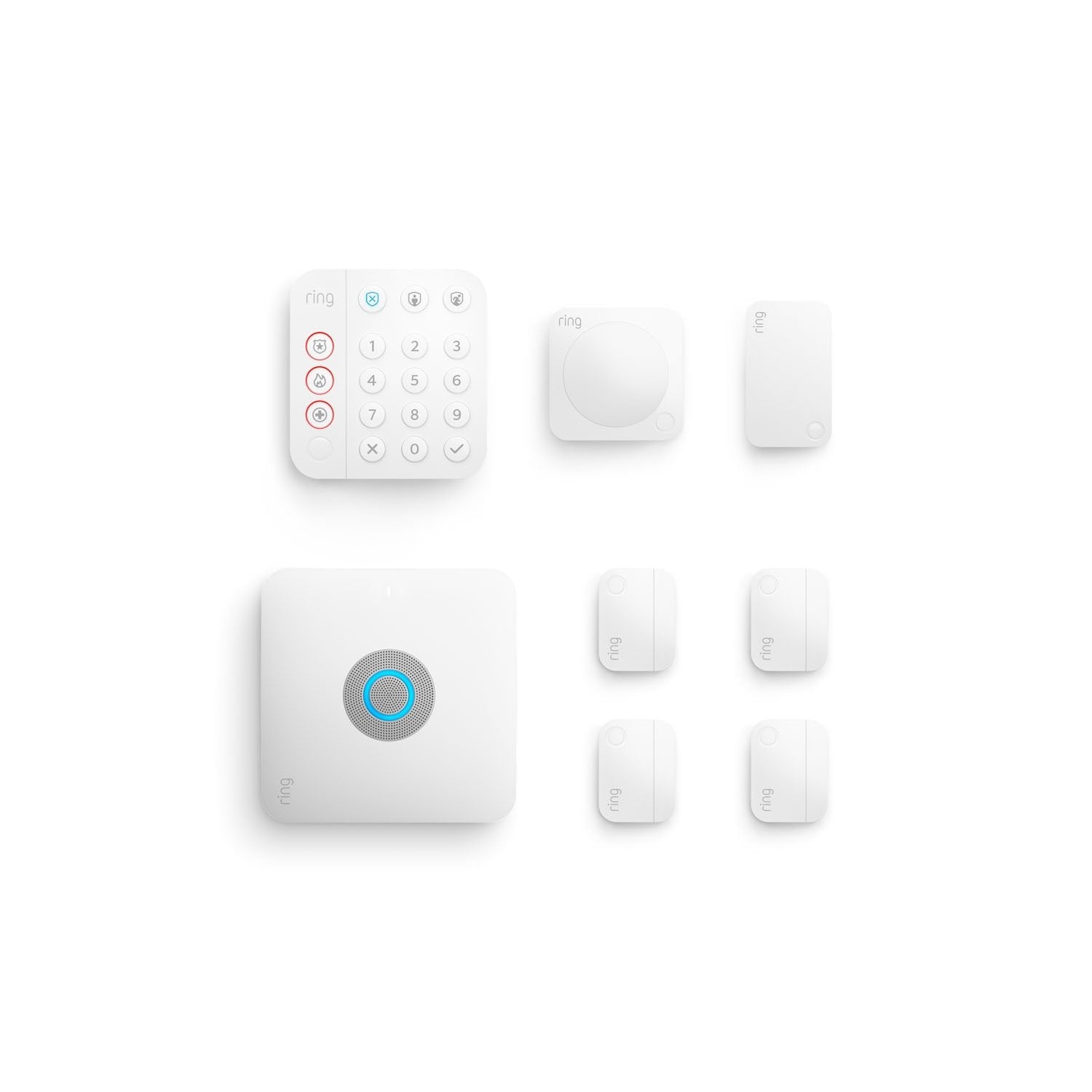
Ring Alarm Pro 8-Piece Kit
It is easier to justify than many security bundles because it feels like part of the broader smart-home system, not just a box of sensors.
Shop on AmazonGive the zone one clear job
A better entryway is not about adding more small furniture. It is about deciding what needs to happen there: keys, bags, shoes, quick mirror check, package drop, or lighting control.
Once you know the job, it gets much easier to choose the right pieces and ignore the rest.
Use vertical pieces to create structure
Mirrors, wall control panels, hooks, and taller lighting gestures help the area feel intentional even when the footprint is small. They also keep the floor from getting more crowded than it needs to be.
This is especially helpful in tighter homes where the entryway has to work without a lot of square footage.
Improve what happens on the way in
The best entryway upgrades remove friction: better locking, faster lighting scenes, easier check-before-you-go moments, and cleaner drop zones for the things that otherwise drift through the house.
That is why useful technology can work especially well here when it is quiet and visually clean.
Make it feel brighter and more intentional
If the space is dim, it will almost always feel more cramped and more temporary. Better light and a strong mirror can make a narrow or underwhelming entry feel more open and composed.
You do not need a dramatic design gesture. You just need the area to feel considered.
Keep the visual story simple
A small entryway cannot carry six decorative ideas at once. One mirror, one landing spot, one lighting moment, and one practical control point is often enough.
Simple entryways usually look more expensive because they feel decided.
Design the entry around drop, sit, and conceal
The most useful entryways handle three actions quickly: somewhere to drop keys or bags, somewhere to sit or pause, and somewhere to conceal the visual mess that accumulates around everyday exits and arrivals. If one of those is missing, the whole zone usually starts to spill outward.
That is why polished entryways often feel simpler than people expect. They are not decorated into usefulness. They are structured around the first thirty seconds in and out of the house.
The bottom line
A polished entryway comes from clarity more than decoration. Improve the function, brighten the zone, and give the space just enough structure to make coming home feel calmer.
Frequently asked questions
What should every entryway have?
At minimum, a clear drop zone, decent light, and one way to keep the area from collecting random clutter.
Do mirrors help an entryway feel better?
Yes. A good mirror adds light, structure, and practical usefulness in one move.
Are smart upgrades worth it in an entryway?
They can be, especially when they reduce friction around locking, lighting, and shared household control.