A lot of decorating regret comes from getting the order wrong. People save on the sofa and overspend on trendy accessories. Or they buy a beautiful dining table, then light the room with whatever fixture was easiest. A better house comes from knowing which pieces carry the room and which ones can stay flexible.
These products from The Refined Home collection match this topic directly. If you buy through these links, we may earn a commission at no extra cost to you.

Cozy Earth Bamboo Sheet Set
It brings immediate tactile payoff, which is often the fastest route to making a bedroom feel more luxurious.
Shop on Amazon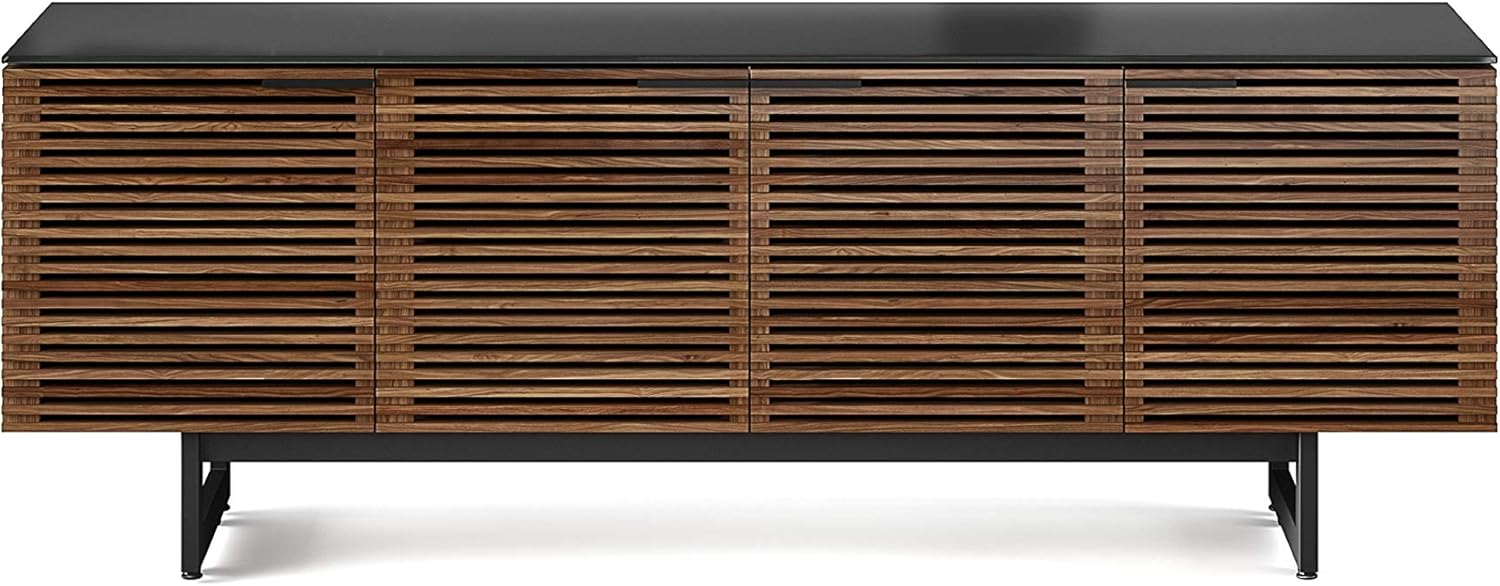
BDI Corridor Media Cabinet
This is the kind of piece that upgrades the whole visual finish of a living room setup.
Shop on Amazon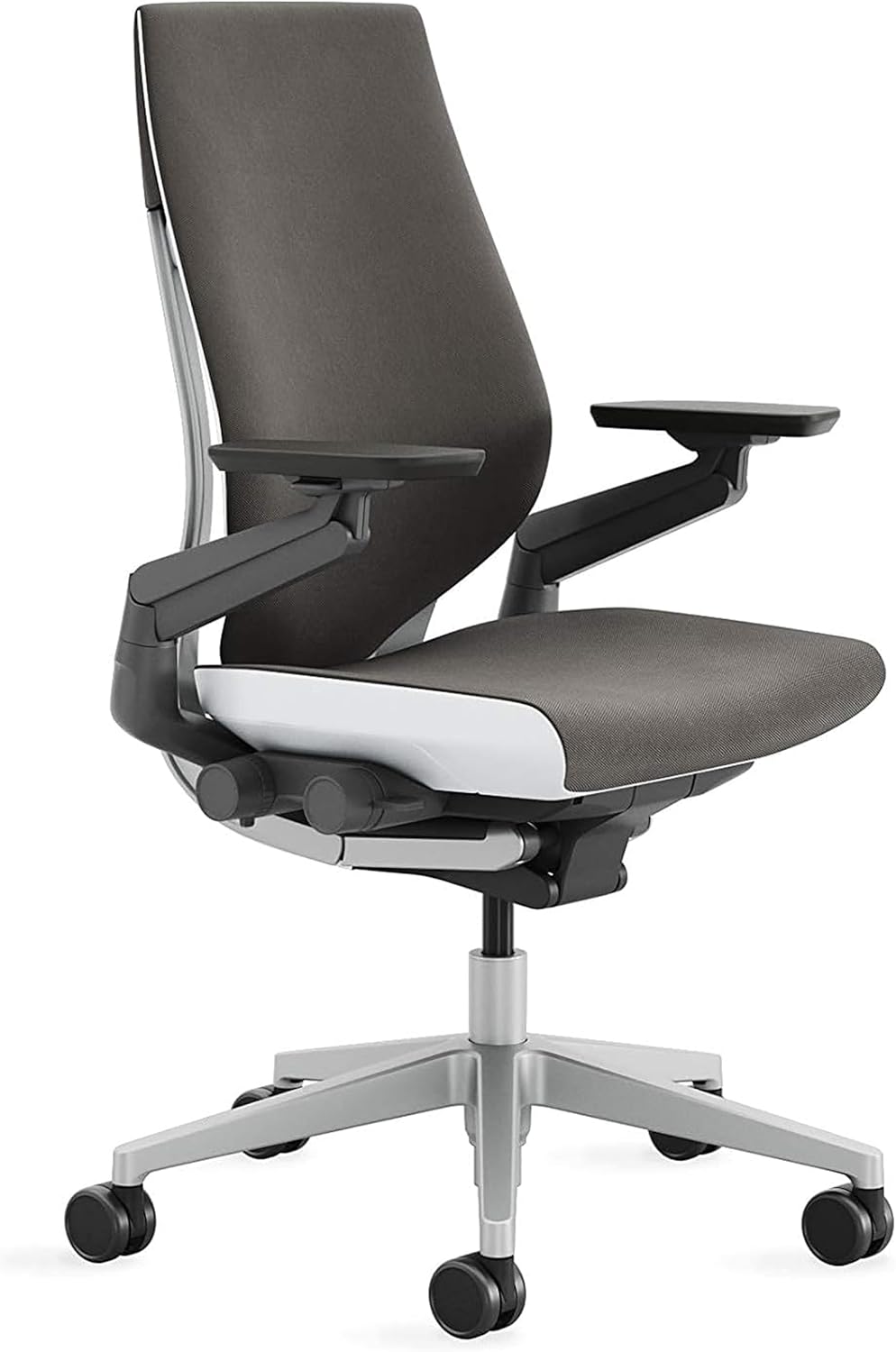
Steelcase Gesture Office Chair
It brings the commercial-office credibility that makes expensive desk chairs feel easier to defend.
Shop on AmazonSplurge on the pieces that take abuse
The sofa, the mattress, the desk chair, and your main dining chairs do real work. These are the pieces that need comfort, structure, and long-term durability. When they are good, you feel it daily. When they are bad, no amount of styling can rescue the experience.
If the budget is tight, spend on the frame, fill, ergonomics, and fabric quality before you spend on decorative extras. A room can survive without designer accessories. It does not survive well with a miserable sofa.
Spend on lighting that shapes the room
A strong pendant, a beautiful floor lamp, or a pair of bedside lamps often changes the whole space more than another side chair ever will. Lighting has outsized influence because it affects both the look of the room and the way it feels to be in it at night.
This is one of the best places to invest because even fairly simple rooms look better under thoughtful lighting.
Save on trend-driven accents
Throw pillows, small decor, seasonal objects, and many decorative trays do not need to be luxury purchases. These are easy to refresh later, and most rooms only need a few of them anyway.
If you love a trend, test it cheaply first. Save the bigger money for the things you would still want if the internet stopped talking about them tomorrow.
Be selective with statement pieces
One large mirror, one great rug, or one meaningful art piece can be worth stretching for because it helps anchor the room. Five smaller statement attempts usually turn into visual clutter.
If you are going to splurge for impact, choose the one element people register immediately when they enter the room.
Splurge on the pieces that shape the room and the routine
The strongest places to spend are usually the pieces that affect comfort, scale, and daily contact: sofas, mattresses, rugs that anchor major rooms, dining chairs used constantly, lighting that sets the mood, and window treatments that change how the architecture reads.
Those purchases have both visual and practical leverage. They change how the room feels to live in, not just how it looks for a moment.
Save on the layers that are easiest to evolve
It is usually smarter to save on accents that can shift with taste or season: smaller decor objects, trend-driven side tables, some occasional pieces, and artwork placeholders while a room is still finding its direction.
That does not mean buying poorly. It means recognizing which layers are experimental and which ones set the long-term tone. Spend where a mistake is expensive to live with, save where revision is easy.
The bottom line
The most convincing rooms are rarely the ones where every object is expensive. They are the ones where money was spent in the right places: comfort, scale, lighting, and a few anchor pieces with real presence.
Frequently asked questions
What home items are usually worth splurging on?
The pieces you touch and use constantly, including seating, mattresses, lighting, and work-from-home essentials.
What should you usually save on when decorating?
Trend-driven accents and smaller decorative objects are often better to keep flexible.
Is it better to decorate a house all at once?
Usually no. Buying in layers helps you spend more intelligently and avoid rushed mistakes.