A home starts to feel expensive when the room looks settled. That usually comes from fewer visual interruptions, stronger materials, more intentional lighting, and a layout that feels like someone actually made decisions instead of just filling empty corners. The good news is that you do not need a gut renovation to get there.
These products from The Refined Home collection match this topic directly. If you buy through these links, we may earn a commission at no extra cost to you.
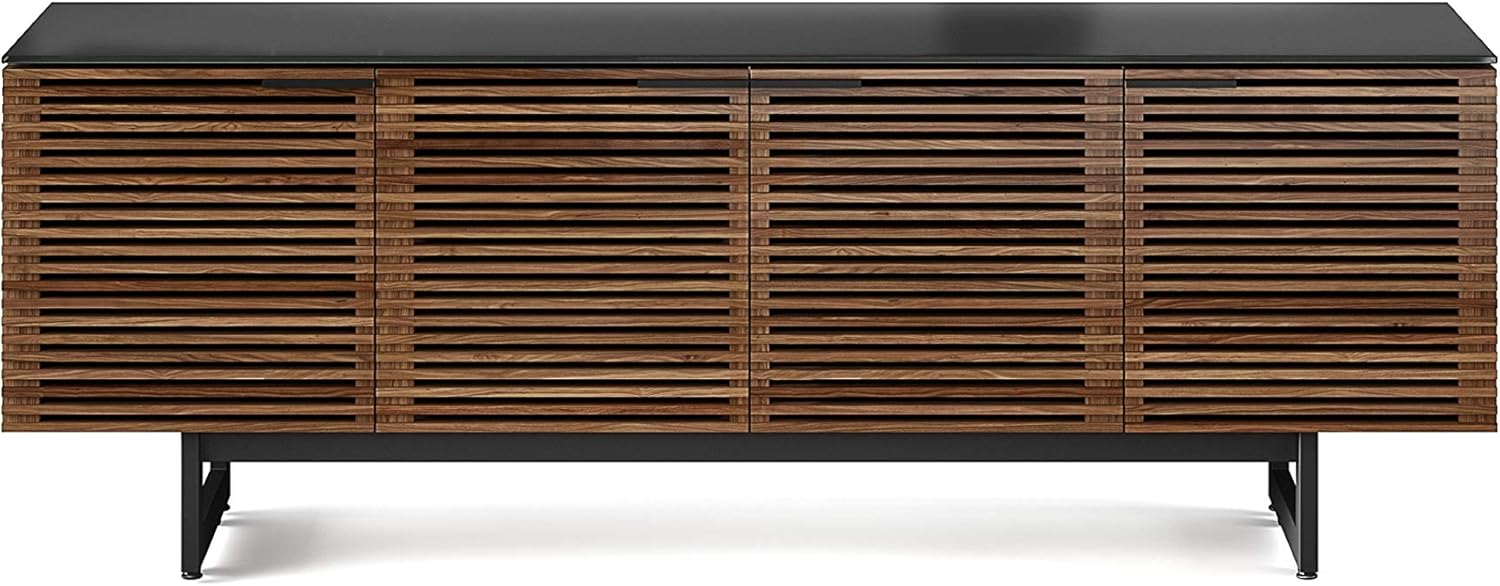
BDI Corridor Media Cabinet
This is the kind of piece that upgrades the whole visual finish of a living room setup.
Shop on Amazon
Minka-Aire Light Wave Ceiling Fan
It is one of those details that makes a room feel more finished once you see the better version.
Shop on Amazon
Umbra Hub Round Wall Mirror
It is restrained enough to work almost anywhere, which makes it one of the easier decor recommendations to trust.
Shop on AmazonStart by removing what cheapens the room
The fastest way to elevate a space is to take out the pieces that drag everything down. That often means undersized rugs, cluttered side tables, tired accent pillows, harsh overhead bulbs, or a mix of random finishes that never agreed with each other in the first place.
When a room feels noisy, people usually keep adding to it. A better move is to subtract until the strongest pieces can breathe. One good lamp, one larger tray, one oversized branch arrangement, and one substantial textile usually do more than six smaller decorative objects fighting for attention.
Use scale to your advantage
A lot of homes look less polished simply because the room is filled with pieces that are too small. A rug that barely reaches the front legs of the furniture makes the whole seating area feel temporary. Tiny artwork floating on a large wall does the same thing. Small bedside lamps can make a bedroom feel accidental instead of considered.
When in doubt, go a little larger with the anchor pieces: the rug, the light fixture, the art, the mirror, and the main plant. Bigger anchors make the room feel more resolved, which reads as more expensive immediately.
Upgrade the lighting before you upgrade the furniture
Lighting changes the emotional temperature of a room faster than almost anything else. Warm, layered light makes even modest furniture look better. A single bright overhead fixture does the opposite.
Aim for at least three layers in your main rooms: ambient light, task light, and accent light. A pair of lamps in a living room, a softer floor lamp in a dark corner, or better task lighting in an office all create the kind of depth people associate with better interiors.
Make texture do the heavy lifting
Luxury usually looks tactile before it looks flashy. Linen, wool, brushed metal, wood grain, stone, ceramic, and washed cotton all make a room feel more grounded and convincing.
If your space feels flat, swap a shiny synthetic throw for a heavier woven one, add a ceramic lamp instead of another glossy one, or bring in one substantial wood or stone accent. Texture gives the eye something to believe in.
Keep surfaces edited and useful
An expensive-looking room rarely has every surface crowded. Coffee tables need negative space. Kitchen counters need breathing room. Dressers need one composition, not twelve unrelated objects.
A tray, a stack of two or three books, a candle or sculptural bowl, and one natural element is often enough. The goal is not to stage the room like a showroom. It is to make it feel calm and intentional.
Use scale, empty space, and alignment to do the heavy lifting
Homes usually look more expensive when fewer things are fighting for attention. Better scale, more breathing room around key pieces, and cleaner alignment across lamps, art, tables, and seating do more than adding yet another accessory layer.
That is part of why expensive rooms often feel calm before they feel styled. Their furniture fits the architecture, their artwork is hung with confidence, and the room is not trying to prove anything through density.
Focus on what the eye and hand notice most
If the goal is a richer-feeling home, prioritize the touchpoints and sightlines people register repeatedly: window treatments, rugs, sofa scale, lighting warmth, hardware, bedding, and the first surfaces they see when entering the room.
Those are usually better investments than trend objects or decorative filler. The room feels elevated not because every item is luxurious, but because the most noticeable ones are better chosen and better proportioned.
The bottom line
If you only do three things, do these: improve the lighting, correct the scale, and remove the small clutter that makes the room feel unsettled. Those moves create the biggest visual lift, and they keep paying off even as the rest of the house evolves.
Frequently asked questions
What makes a home look more expensive quickly?
Better lighting, fewer small clutter points, and more believable scale usually create the fastest improvement.
Do you have to buy all new furniture to make a room feel elevated?
No. Most rooms improve more from editing, lighting, and layout changes than from replacing everything at once.
What is the most common mistake that makes a room look cheaper?
Undersized rugs, tiny lighting, and too many small accessories tend to make a space feel unsettled.