The best home gadgets earn their place quietly. They make the room feel better, the routine feel smoother, or the house feel easier to manage. The wrong ones become expensive reminders that not every connected product deserved a charger, subscription, and software update.
These products from The Refined Home collection match this topic directly. If you buy through these links, we may earn a commission at no extra cost to you.

ecobee Smart Thermostat Premium
It looks cleaner on the wall than most thermostats and brings enough real utility to justify the spend.
Shop on Amazon
Yale Assure Lock 2 with Wi-Fi
It is one of the cleaner-looking smart lock options, and that matters when it lives on your front door every day.
Shop on Amazon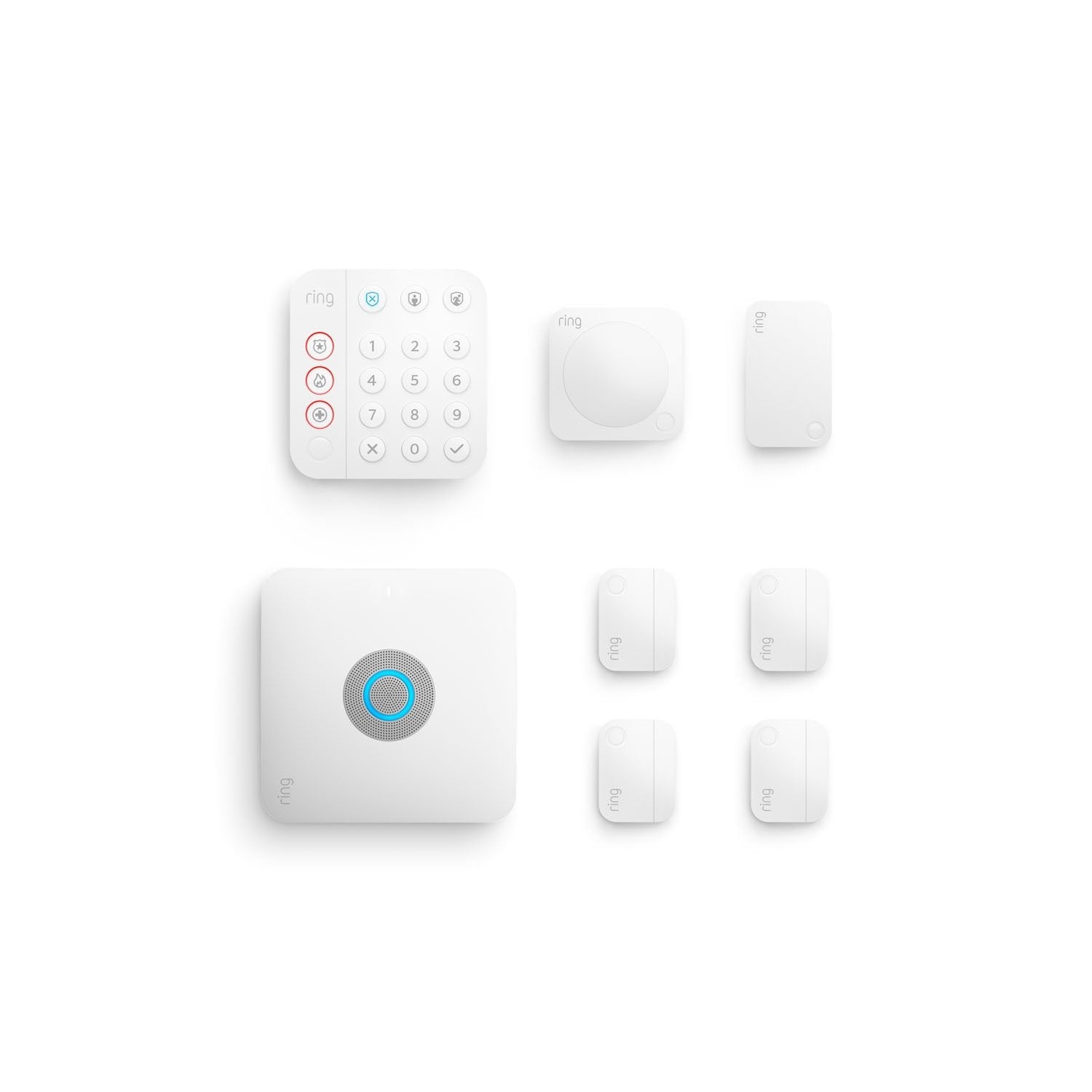
Ring Alarm Pro 8-Piece Kit
It is easier to justify than many security bundles because it feels like part of the broader smart-home system, not just a box of sensors.
Shop on AmazonWorth it: smart lighting that improves atmosphere
Lighting is one of the few smart-home categories that affects both usefulness and mood in a real way. Scene control, dimming, and warm evening settings can make a space feel dramatically better without adding clutter.
The key is using smart lighting to make the room calmer, not to turn the house into a tech demo. Start with the rooms you use at night the most.
Worth it: entry and security upgrades that reduce friction
A good smart lock or a well-placed shared control panel solves an actual household problem. Fewer key issues, easier guest access, faster routines, and cleaner management all count as real quality-of-life gains.
These are most useful when they simplify something the household already does constantly.
Usually worth skipping: gadgets that duplicate a simple habit
If a connected product turns a two-second task into a ten-step workflow, it does not matter how premium the finish is. Overbuilt drink gadgets, novelty kitchen screens, and single-purpose connected devices often age badly because they add more interaction than relief.
Premium tech should remove friction, not ask for more of your attention.
What to prioritize first
If you are building a smarter house from scratch, start with lighting, climate, entry, and cleaning. Those categories touch daily life most often and tend to keep their value longest.
After that, buy for the room, not the spec sheet. The best gadget is the one that fits how the room already wants to be used.
Reliability matters more than feature count
The best smart-home upgrades usually win because they remove friction repeatedly, not because they offer the most settings. A lock, thermostat, lighting system, or security layer that works every time will feel far more premium than a more ambitious product that drops offline or requires constant tinkering.
That is one reason the category rewards restraint. Buyers are often better off choosing fewer devices from a more stable ecosystem than collecting disconnected gadgets with impressive feature lists and weak follow-through.
Skip orphan devices that do not improve a routine
A smart device should usually belong to a clear routine: arriving home, leaving home, waking up, securing the house, adjusting comfort, or controlling light. If it does not plug into a real repeat behavior, it tends to become an expensive isolated object.
That is where a lot of regret comes from. Not from smart-home technology itself, but from buying novelty without a reliable use case that makes the system feel integrated into the home.
The bottom line
The real luxury move in smart-home buying is not owning the most tech. It is having the right tech in the right places so the house feels calmer, easier, and more intentional every day.
Frequently asked questions
What smart home upgrades usually have the best payoff?
Lighting, climate control, entry systems, and strong floor-care automation tend to create the clearest daily value.
Are expensive smart home gadgets always worth it?
No. The better test is whether the product removes friction often enough to justify living with it.
What smart home tech should you skip first?
Anything that complicates a simple habit or turns a quick task into another app-based routine.