Air purifiers get dismissed as fussy until you live with the right one in the right room. Then they start to feel less like gadgets and more like invisible comfort infrastructure. The trick is being honest about why you want one and whether the machine can solve that specific problem without making the room worse to look at.
These products from The Refined Home collection match this topic directly. If you buy through these links, we may earn a commission at no extra cost to you.

Coway Airmega 400S
It is less about flash and more about serious room-scale performance with a cleaner overall presentation.
Shop on Amazon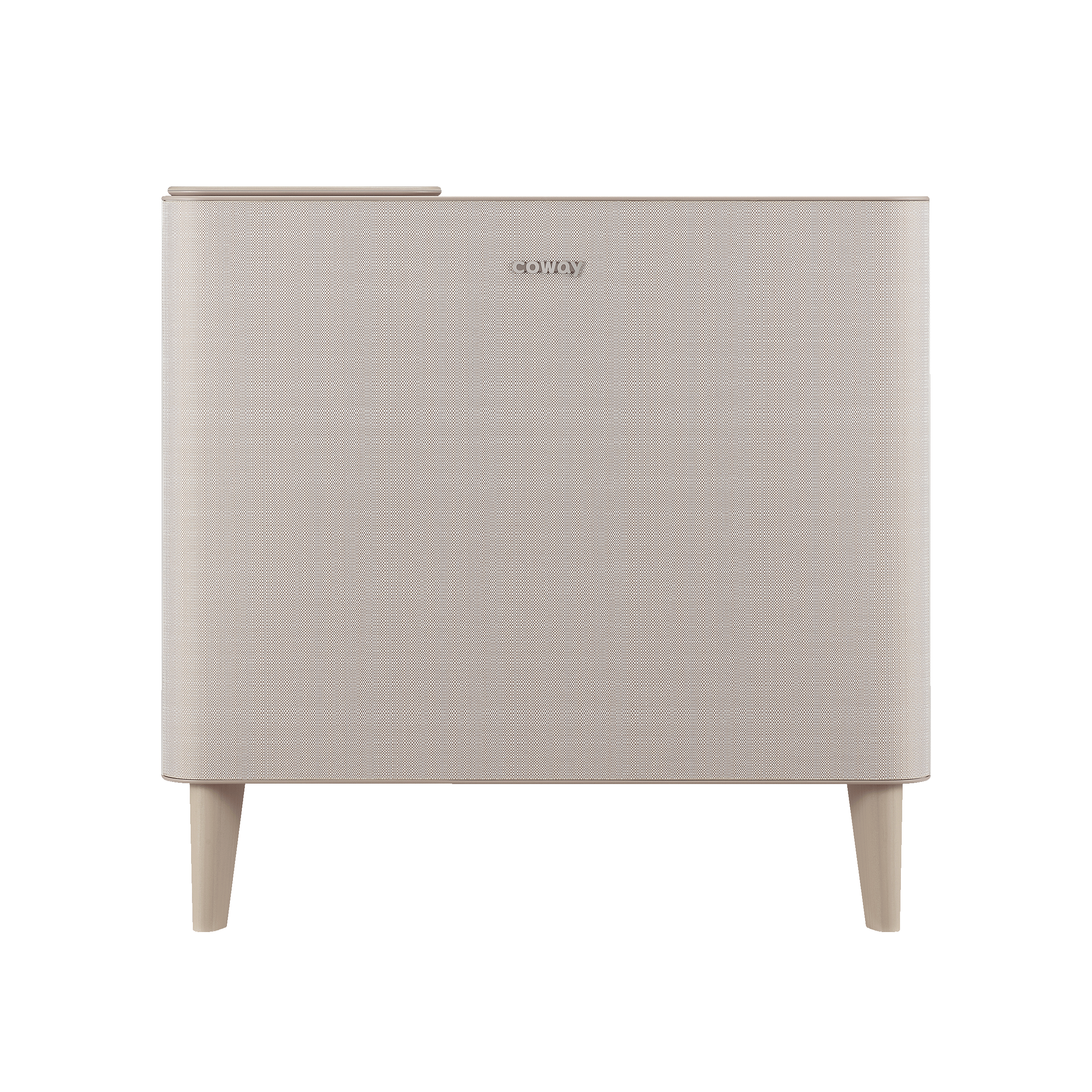
Coway Airmega Icon
It treats the purifier like part of the room rather than a necessary eyesore, which is exactly the right premium story for this category.
Shop on Amazon
Dyson Purifier Big+Quiet Formaldehyde
It is one of the few home wellness purchases that can sit in a premium interior without pulling the room down.
Shop on AmazonKnow which problem you are solving
People buy purifiers for different reasons: allergies, pets, wildfire smoke, dust, stale bedrooms, cooking odors, or just a room that never feels quite fresh. Those are not the same problem, and they do not all need the same machine.
Start with the room and the symptom. Otherwise you end up buying features instead of relief.
Size and noise are the real decision points
A purifier that is technically strong but too loud for the room will get turned down or turned off. A machine that is undersized will run constantly without delivering much change.
That is why recent purifier testing puts so much emphasis on room coverage and livable sound levels. Those two factors determine whether the product will actually help day after day.
Choose something you can stand looking at
In well-designed rooms, visual friction matters. If the purifier looks temporary, clunky, or overly techy, people push it into bad corners or hide it where it works less effectively.
The better move is choosing a purifier whose scale and finish can coexist with the rest of the room so placement stays practical.
Placement and filter upkeep are part of the cost
Purifiers need room to breathe, and filters need replacement. That ongoing reality matters more than a flashy app or one extra sensor on the front panel.
A good purchase is the one whose maintenance feels realistic enough that you will keep using it properly.
Skip it if what you really need is better habits
Sometimes the room needs an exhaust fan upgrade, more consistent vacuuming, less textile overload, or an honest decluttering pass before it needs a purifier. A machine cannot fix every air-quality problem by itself.
But when the problem is real and recurring, a well-chosen purifier can make the room feel noticeably calmer, cleaner, and easier to live in.
Be clear about the problem you are trying to solve
Air purifiers are easiest to justify when there is a specific issue in the home: seasonal allergies, pet dander, urban smoke, wildfire periods, dust in a bedroom, or a room that simply feels stuffier than the rest of the house. They are much harder to evaluate when the goal is just a vague sense of better air.
That clarity helps with placement and expectations. A purifier that makes a bedroom easier to sleep in or a living room easier to share with pets is doing a real job. A purifier bought without a clear trigger often feels less obviously useful.
Room size, noise, and filter costs matter as much as the design
A beautiful purifier still has to be strong enough for the room, quiet enough for the setting, and realistic to maintain over time. That means looking beyond styling into room coverage, noise at usable speeds, and the long-term cost and availability of replacement filters.
Those practical details are what determine whether the purifier becomes part of daily life or an object that runs only occasionally because it is too loud, undersized, or annoying to keep up.
The bottom line
An air purifier is worth it when it solves a specific room problem, runs quietly enough to keep using, and fits the visual tone of the home instead of fighting it.
Frequently asked questions
When is an air purifier worth buying?
It is most worth it when you have recurring issues like allergies, pets, smoke, dust, or stale large rooms and need a machine sized correctly for that space.
Do air purifiers need to look good to be worth it?
They do not have to be decorative, but if the unit looks too intrusive for the room, people tend to place it poorly or stop using it.
What matters most when choosing an air purifier?
Room coverage, livable noise levels, maintenance needs, and whether the purifier can stay placed where it actually works well matter most.