Putting a desk in a living room only feels like a compromise when it looks accidental. The homes that pull it off well do three things right: they give the desk a believable edge, they keep the lighting specific, and they make the whole setup easy to quiet down at the end of the day.
These products from The Refined Home collection match this topic directly. If you buy through these links, we may earn a commission at no extra cost to you.
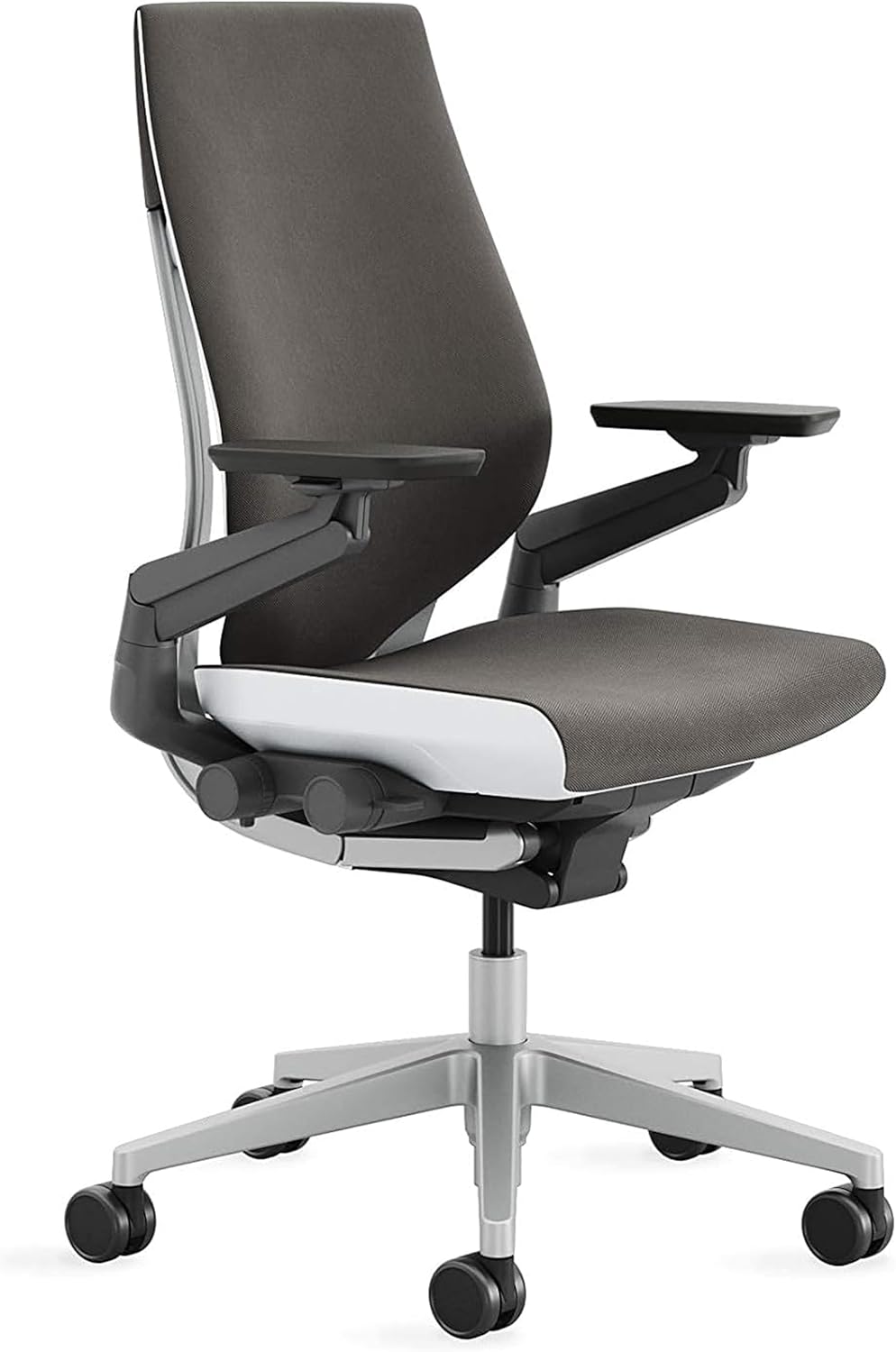
Steelcase Gesture Office Chair
It brings the commercial-office credibility that makes expensive desk chairs feel easier to defend.
Shop on Amazon
BenQ ScreenBar Halo 2
It makes lighting disappear into the monitor setup, which keeps the workspace cleaner while still noticeably improving the experience.
Shop on Amazon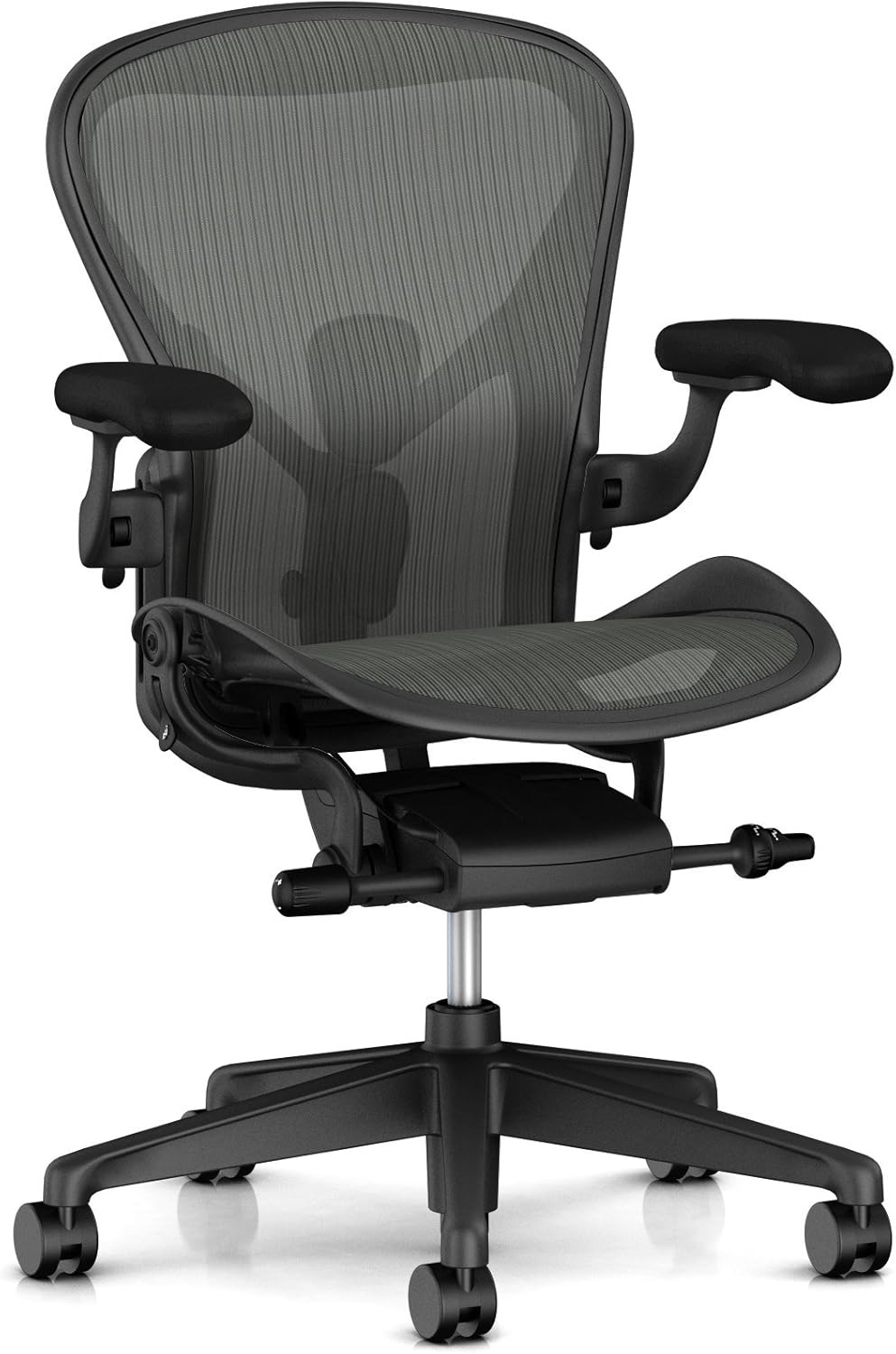
Herman Miller Aeron Chair
It is both design-recognizable and genuinely functional, which is rare enough to matter.
Shop on AmazonChoose one boundary instead of trying every trick
A desk can live in a corner, behind a sofa, beside built-ins, or along a blank wall. What matters is giving it one clear edge so it reads as intentional. That could be a rug shift, a shelving line, a lamp, or even a change in wall art scale.
The most convincing desk-in-living-room examples are not crowded with separation devices. They use one move well.
Buy the chair like it is infrastructure
When work happens in a shared living area, the chair stops being a background object and starts affecting both your body and the room. A bad chair drags down the whole setup visually and physically.
That is why this is one of the few places where it makes sense to spend first and decorate later.
Keep the lighting specific
Task lighting should stay close to the desk, while the rest of the room keeps its softer evening layers. That split is what stops a living room office from feeling like a commercial workspace after dark.
The Spruce desk-in-living-room ideas repeatedly show how much cleaner a setup looks when the work light is controlled rather than blasting the whole room.
Hide the signs of work at the end of the day
Laptop docks, chargers, paperwork, and notebooks should all have a fast closing move: a drawer, a box, a cabinet, or one edited tray. A shared room needs that shutdown ritual even more than a dedicated office does.
If the evidence of work is always visible, the room never fully returns to being a living room.
Protect the work body and the living-room mood
A living-room office succeeds only when it supports both posture and atmosphere. If the desk is too shallow, the chair is visibly task-heavy, or the monitor dominates every sightline, the room starts reading as work first and living second.
The strongest hybrids solve both layers together. They use furniture with better proportions, lighting that can shift from work mode to evening mode, and storage that lets the room visually close the workday instead of leaving it open on display.
Plan for video calls and paper clutter early
Many living-room office setups look acceptable until the first week of real use, when cords, notebooks, chargers, and mail begin colonizing every nearby surface. The fix is rarely more decor. It is one reliable place for active paperwork, one hidden zone for equipment, and a backdrop that works on camera without rearranging the room every time.
If video calls are part of the routine, the background, lamp placement, and screen angle deserve as much planning as the desk itself. Those details change whether the setup feels polished or improvised.
The bottom line
A living-room office succeeds when it works hard during the day and disappears emotionally at night. Boundary, lighting, and shutdown storage are what make that possible.
Frequently asked questions
Can a desk look good in a living room?
Yes. It works best when the desk has one clear boundary, uses focused task lighting, and shares finishes with the rest of the room.
What matters most in a living room office setup?
A strong chair, specific lighting, and a fast way to hide visible work clutter after hours matter more than decorative extras.
How do you keep a living room office from taking over the space?
Keep the footprint tight, use one boundary strategy, and make sure the desk can be reset visually at the end of the day.