The most attractive home bars are rarely the biggest ones. They feel good because they are organized around the actual ritual: where the ice lives, where glasses go, what stays visible, and how the whole thing resets once the evening is done.
These products from The Refined Home collection match this topic directly. If you buy through these links, we may earn a commission at no extra cost to you.

GE Profile Opal 2.0 Nugget Ice Maker
It takes something usually treated as a convenience and turns it into part of the hosting ritual, which is why it works so well here.
Shop on Amazon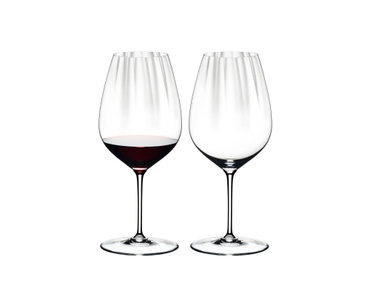
RIEDEL Performance Cabernet/Merlot Glasses
The shape, clarity, and overall presence make it feel meaningfully better than default glassware, which is exactly the point of an entertaining upgrade.
Shop on Amazon
Rabbit Automatic Electric Corkscrew
It is the kind of upgrade that makes hosting feel less fussy, which often matters more than anything flashy.
Shop on AmazonStart with the kind of hosting you actually do
Before you buy bar tools, decide whether you mostly pour wine, mix cocktails, serve sparkling water, or host larger groups that need faster beverage flow. The setup should reflect your real habits, not a fantasy lounge.
That is why the best home bar ideas feel different from one another. They are not built from the same checklist. They are built around how the room is actually used.
Give the station a clear boundary
A tray, cabinet, credenza, or narrow countertop section works better than letting bottles and tools spread into the surrounding room. Visual edges keep a bar from reading as clutter.
Even a small beverage station looks elevated when it has a defined footprint and a clear center of gravity.
Show fewer things and show better things
Open display only works when the visible pieces look like they belong together. Better glassware and a few polished tools make more impact than a pile of novelty accessories.
This is where editing matters. If you do not use it often, it probably does not need to stay out.
Solve for ice and mixing before the party starts
The awkward part of hosting is usually not the drinks themselves. It is the traffic around the freezer, the missing opener, or the glassware you forgot to wash. A stronger station removes those bottlenecks upfront.
Once ice, tools, and prep surfaces are handled, the whole setup feels much calmer and more luxurious.
Make the reset part of the design
A beautiful home bar can still be a bad one if it takes twenty minutes to clean up after two drinks. Keep a clear landing spot for used glasses, hide overflow below, and make sure nothing out on display is annoying to wipe around.
The best-looking bar tomorrow morning is usually the best-designed bar tonight.
Decide whether you are building a cocktail bar, wine zone, or drinks station
A home bar gets messy fast when it tries to be every kind of beverage setup at once. A cocktail-first station needs different storage and prep space than a wine corner or a mixed drinks-and-sparkling-water setup. The cleaner solution is to choose the dominant use and let everything else be secondary.
That choice affects glassware, tools, ice needs, and how much surface area the station really deserves. Once the primary use is clear, the setup becomes easier to edit and much harder to overstuff.
The bottom line
A good home bar works like a coffee station after dark: one clear zone, edited tools, better glassware, and a fast reset after people leave.
Frequently asked questions
What do you need for a simple home bar?
A defined surface, a few glasses you actually use, basic opening tools, and a plan for ice, mixers, and cleanup.
How do you make a home bar look less cluttered?
Limit what stays visible, use a tray or cabinet to create boundaries, and keep glassware and tools visually consistent.
Does a home bar need a cart?
No. A credenza, pantry shelf, countertop section, or cabinet can work just as well when the setup has a clear footprint.